Brand Exposure
← Insights
Insights · Brand Identity

The logo is not the brand

Clients come to us asking for a logo. What they almost always need is an identity system — and the difference changes everything about what gets built.

4 Min Read 28 April 2026 Brand Exposure Team

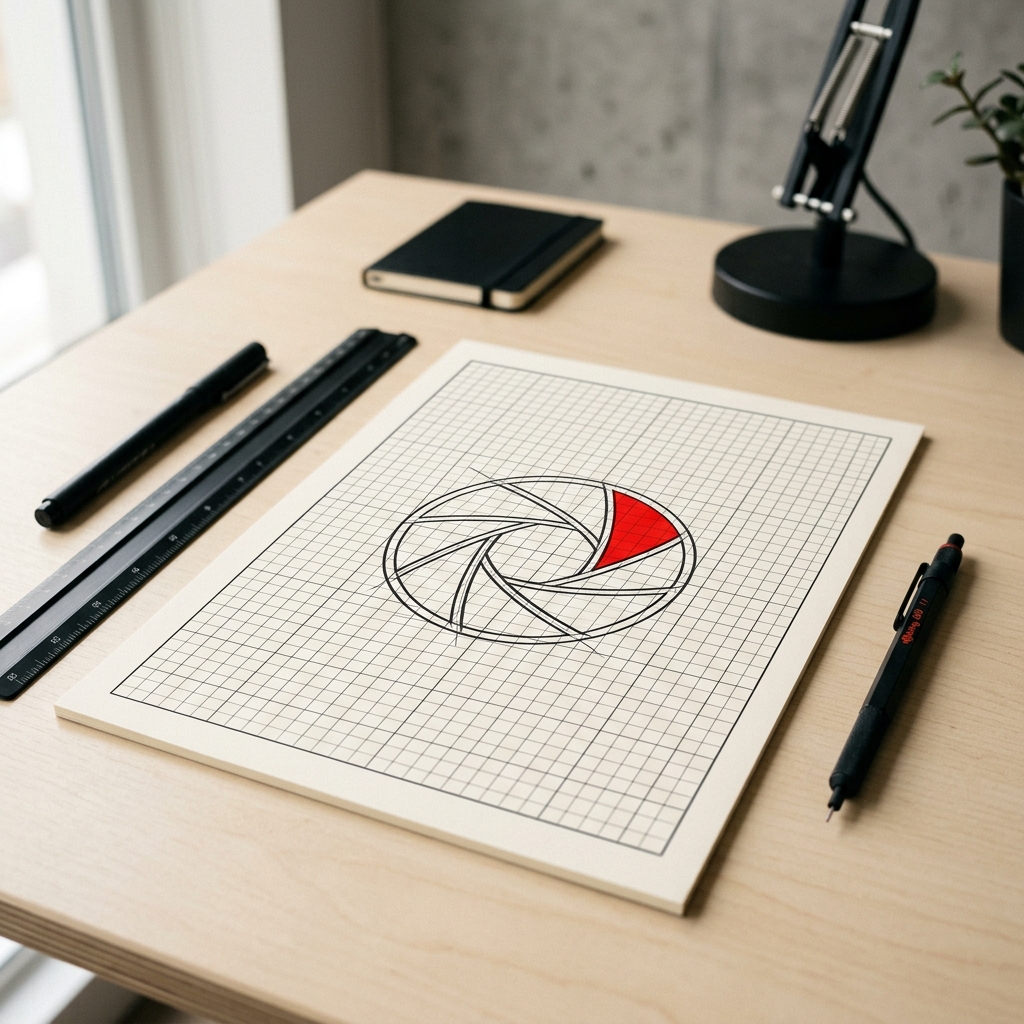
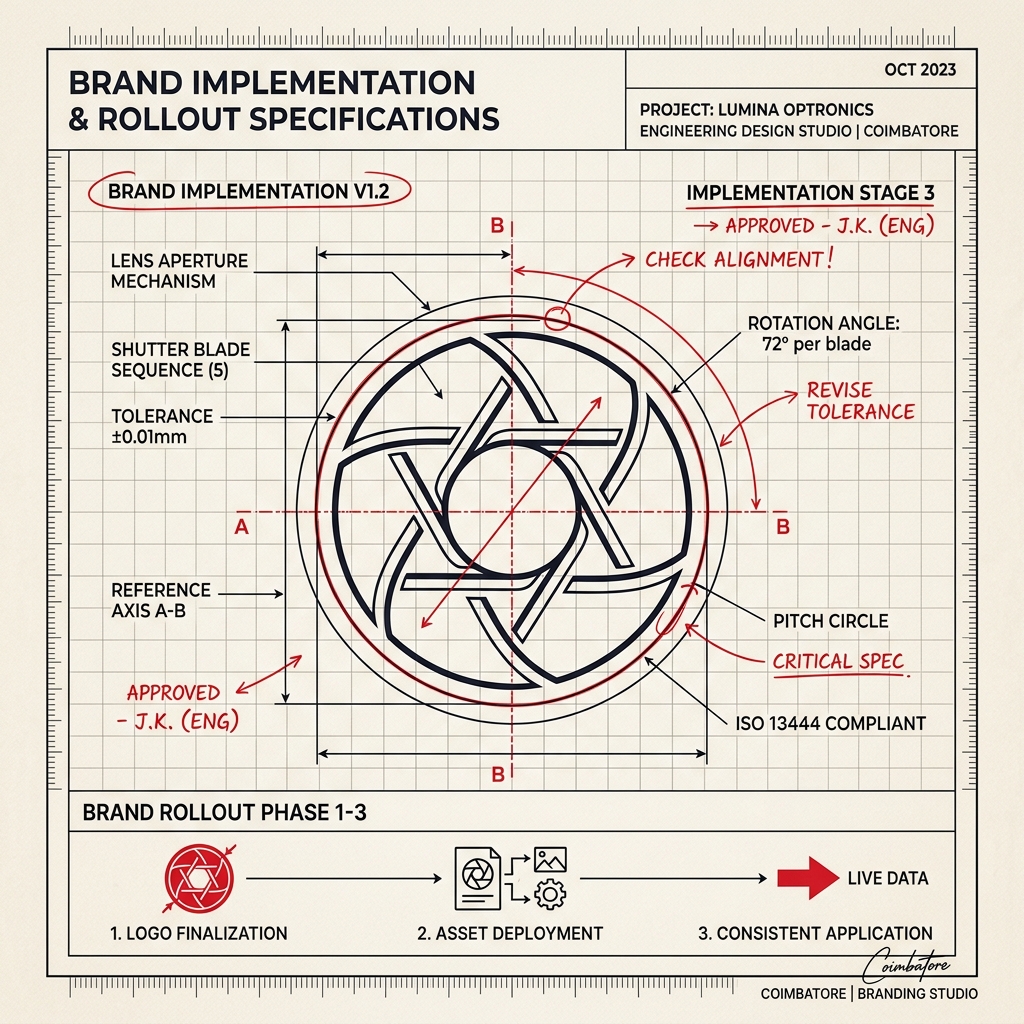
A logo is a mark: a specific visual element placed on a business card or a building sign. An identity system is the complete set of visual and verbal conventions that govern how an organisation presents itself across every context — the typefaces, the colours, the photography style, the written tone, the spacing around the mark, the way materials feel in the hand.

The logo is the most visible shorthand for the system. It is not the system itself. A logo without a system is a mark without governance: it can be applied consistently only while someone remembers how it should look. The moment institutional memory fades — a staff change, a new vendor, a different design resource — the mark begins to drift.
01

What a system actually contains

Typography Rules

Specific fonts, weights, sizes, and line-heights for every application.

Color Palettes

Exact color specifications across RGB, CMYK, and Spot (Pantone) values.

Layout Spacing

Clear space definitions around the mark to prevent aesthetic crowding.

Photography Style

Guidelines on contrast, lighting, tone, and editorial direction.

Verbal Tone

A structured voice guide establishing how the brand speaks and writes.

Asset Formats

Explicit specifications for dynamic screen and print file formats.

Consider what happens without specifications. A manufacturer producing product labels without a colour definition document will find that the red on the packaging matches the red on the website only by accident. A university commissioning wayfinding without a typeface standard gets whatever font the wayfinding supplier uses as their default.

The brands that survive decades of management changes and supplier changes are built on systems, not marks.

02

Why clients often ask for the wrong thing

The request for a logo is natural because the logo is visible and specific. It is easy to point at a business card and say the mark needs to change. It is harder to articulate that the real problem is the absence of a governing system — that no two pieces of printed material produced in the last five years look as though they come from the same organisation, that the brand has been effectively reinvented by every person who has ever needed to produce a deliverable.

A cosmetic update replaces the mark. A systemic one gives the organisation the tools to produce everything that follows consistently — and the brief for that work looks very different from a brief for a logo.

SHARE

Good design is only half the work. The other half is keeping it consistent.

Consistency is an operational outcome, not a creative one. It takes process, ownership, and ongoing attention.